The post Using Video to Create a Virtual Experience appeared first on Buller Media.
]]>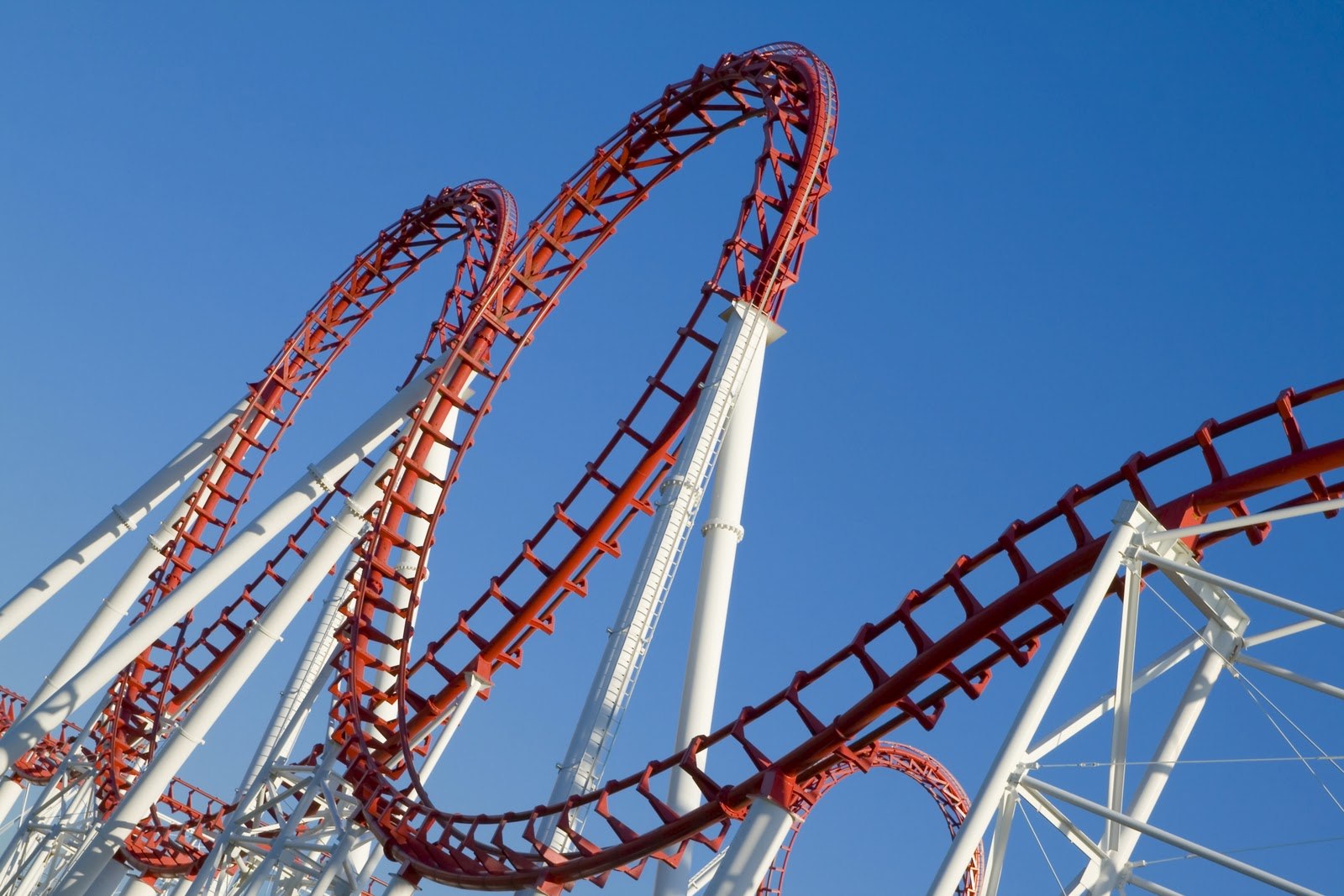 There are some things that you just need to see or experience in order to fully appreciate them. Think about it for a moment…
- Adrenaline sports and leisure – skydiving, car racing, BASE-jumping, amusement park rides like roller coasters, go carts, Segway tours, bicycle vacations, water skiing, snowboarding, jungle zip line rides, your hip hop speed Klezmer band…
- New product demos – try to imagine what a Roomba did before you ever saw one in operation
- Unusual talents – blowing up balloons with your ears, squirting milk from your eyeballs, rifle twirling, yodeling, bicycling backwards down mountain roads
There are some things that really need to be experienced in order to fully appreciated and understood. And, nothing captures an experience quite as effectively as a video.
And, depending upon what the experience is, it may be enough to simply show the thing you want others to experience, even in a simple way. For example, if you’ve created a new way to fold a t-shirt (there are lots of t-shirt folding videos on YouTube, by the way), you can probably capture the whole thing with your phone or another simple video camera. It doesn’t really need any production values and you don’t need a crew to produce it.
But, some experiences suffer from a lack of attention to detail and narrative, if they’re under-produced. In the world of fast-paced action – extreme sports and dynamic activities like those listed in the first bullet above – a depiction of those really suffer if they’re not giving the viewer a strong sense of movement, excitement, risk, and challenge. And, if there’s one tool that producers have in their quiver of toys that does more to create and capture those moments, it’s the GoPro camera.
Anyone can rush out and buy a GoPro – they’re about $400. You can buy ten of them and mount them all over your band’s (see above) drum kit, electric clarinet, accordion, and electric violin for a really fresh look at hip hop speed Klezmer.
However, you probably don’t have someone who can effectively edit your music video. You may not have a lighting director to make everyone look amazing from several angles, simultaneously. A lot of thinking and planning goes into the production of a music video. It’s not a casual undertaking.
If you have a new product – say a wet bar that also doubles as a tropical fish tank – you’re going to want a script and a storyboard to both show the product and offer your market a strong rationale for why they need to pick up the phone and order one.
- Everyone will want to party in your basement!
- Solo drinkers can pass the time by counting fish
- Impress your boss
- Those who pass out on the bar bring new meaning to the expression, “sleeping with the fishes.”
And, there is a broad range of techniques and effects the producer can bring to bear to make the experience more immersive…
- Slow motion
- Animation
- Fast motion
- Split screens
- Graphic and text overlays on live video
- Isolated elements through selective sharpening and blurring
- Zooming into a shot to single something out
- Titles and subtitles
The net result is that viewers really get to fully experience something in a way they’ve done before and if you can successfully gain their curiosity, you have the opportunity to land them as a customer, too.
The post Using Video to Create a Virtual Experience appeared first on Buller Media.
]]>The post Consider the Equipment appeared first on Buller Media.
]]>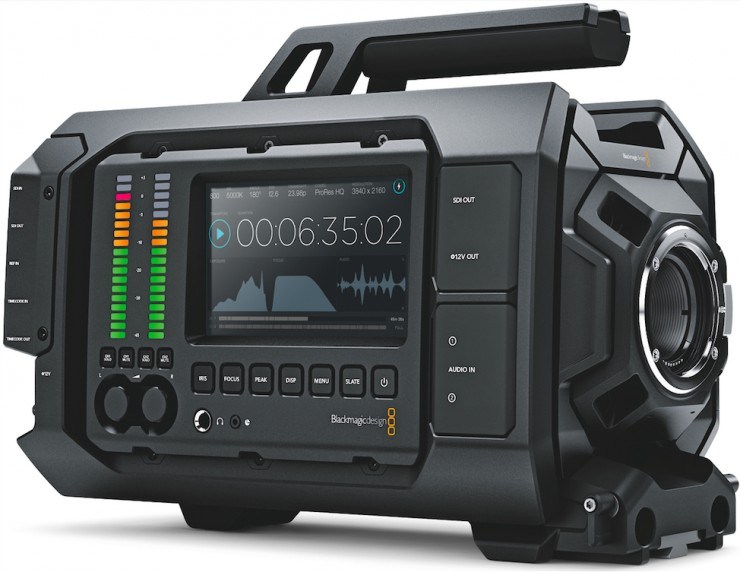 Black Magic Design recently released a firmware upgrade to it’s Ursa Camera that allows 150fps recording in HD, use of Apple’s new ProRes 4:4:4 XQ in HD & 4k and support for a new 4k sensor upgrade. The Ursa is known for being the world’s first user upgradable 4k camera. Among other features, a crucial one is the price point starting at $5,995.00 for the EF mount Ursa. It is a truly professional camera with a global shutter. The global shutter allows for clean, motion capturing and warp-free recording. Unlike other brands on the market it is definitely the best bang for your buck when it comes to recording DCP or professional broadcast material.
Some may argue that Black Magic Design is too new to the digital camera arena to create a camera that would be able to compete with existing manufacturers I would definitely disagree. Having worked with Canon, Panasonic and Sony Professional cameras this particular model is on par with best cameras out there as far as ergonomics and professional features go. 4k recording for digital projection being one of the key reasons to purchase the Ursa, allowing producers & motion graphics artists the ability to shoot special effects on a 4k canvas in either RAW or Pro Res 4:4:4. Shooting in these robust codecs allows for a lot of flexibility in post, such as resizing and rescaling, color grading or green screen effects/elements. If your end goal is an HD output those features are magnified at least twice the color resolution and 4x the digital zoom before ever seeing any loss in picture resolution. The Ursa can also shoot up to 150 fps in HD(with the new firmware upgrade) you can create some amazing slo-motion effects, making this camera a motion graphic artists dream.
Having a global shutter puts this camera a step above economy based 4k cameras like the GH-4. A global shutter makes sure that every frame you record is a snap shot of the scene and not a continuous scan like other cameras that use a rolling shutter. The problem with a rolling shutter is that it can create unwanted artifacts, such as distorted motion or a latent image capture. An example of this would be shooting a car chase scene and having the vehicles drive across the screen while the camera pans across the action, upon review of the footage you may see a warped blurred car going across a slanted image that simply looks like it was shot on a cell phone camera. Another such example would be recording a shoot out, the camera can be on a tripod, do to the fact the image is scanned on a rolling shutter, the recording might only capture half of a gunshot flash. A global shutter fixes this with simultaneous capture of the whole sensors image.
These are just some of the key reasons you would want to produce or have your next project shot on the Ursa camera. It is definitely an economical camera in terms of quality, you’re getting picture quality that is on par with best Hollywood productions. And if you’re shooting for broadcast television no camera on the market comes close in value.
For more information, hop on over to: https://www.blackmagicdesign.com/products/blackmagicursa
And see for yourself why it’s worth it to shoot your next project with the URSA.
The post Consider the Equipment appeared first on Buller Media.
]]>The post Directory for Video Production Services appeared first on Buller Media.
]]>
The post Directory for Video Production Services appeared first on Buller Media.
]]>The post How a Business Video is Produced: Part 2 of 5, Production appeared first on Buller Media.
]]>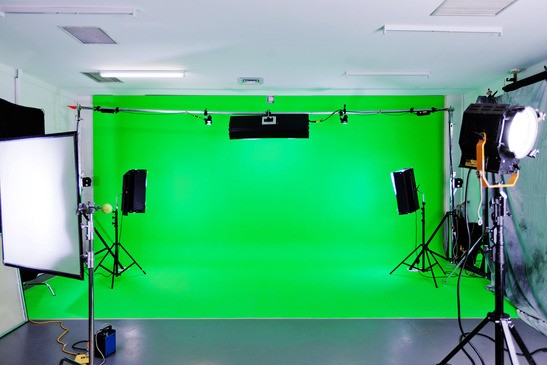
Green Screen video production studio with lights set ready for filming.
So, when we last left off, all of the details of the Pre-Production phase were complete and the producer had an approved script, a production team and locations or a studio, any permits were applied for and received, and all the paperwork needed to make the Production phase go smoothly had been completed.
So, now the fun part starts… well fun for some, anyway. The actual process of production is often referred to as “hurry up and wait,” due to the highly stratified roles played by the production team. For example, while the gaffer (the lighting director) and the grips may be running around hanging lights on the set, the actors might be playing games on their phones or reading or getting makeup done by the makeup artist. During the actual filming, other crew members might be sitting on their hands, waiting for their jobs to start.
But there is no doubt that every job on a film crew is critically important to capturing the script. Some scripts – even business video projects – take several days to film. It is challenging and expensive to move the entire production from one location to another, so a move is not a casually considered event. Production and location managers try to maximize a particular location, whenever possible, to reduce those moves. But, depending upon the script, moves may occur or it may take more than a day to film in a particular location, depending upon the number of setups scheduled for a given day – a setup refers to a particular shot that could include many technical changes to lighting, sound, camera placement, lens choices, camera movement and so on. Obviously the more setups completed in a day, the more efficient and productive the project. But, it may not always be advantageous to cram as much as possible in a day – other aspects of the production (artistic, crew fatigue, unavailability of actors or other key personnel, technical problems) may impede progress.
Featureflash / Shutterstock.com
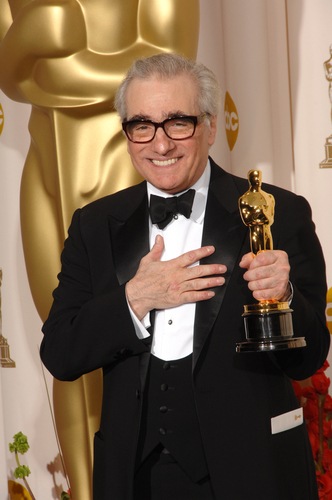
A film crew is an extremely hierarchical group and to be effective, it has to be run like an army and in an army there is only one supreme commander: the producer. I know, you thought I was going to say director, right? Well, sometimes the director is the supreme commander, but that’s usually on a feature film set where the director is someone like Martin Scorsese or James Cameron. On a business video or a commercial, the director is often hired for their eye and their ability to coax performances out of actors, but the buck stops with the producer.
Stay tuned for our next post on key crew positions and descriptions of their jobs.
The post How a Business Video is Produced: Part 2 of 5, Production appeared first on Buller Media.
]]>The post National Title Solutions: Commercial Short appeared first on Buller Media.
]]>Purpose of piece: Promotional video short for National Title Solutions based in Woodridge, IL
Produced March 21st, 2014
Camera operator and key grip: Juan Montelongo
Director of Photography: Steve Buller
Executive Producer: NATIC
Editor: Steve Buller
The post National Title Solutions: Commercial Short appeared first on Buller Media.
]]>The post “Live Life to Discover” Digital Short appeared first on Buller Media.
]]>Gear: The Canon 5D Mark 2, Zoom H4N, GlideTrack
The post “Live Life to Discover” Digital Short appeared first on Buller Media.
]]>The post TMC fundraising digital short appeared first on Buller Media.
]]>We are honored to produce this content, and hope it continues to raise funds for this great cause.
The post TMC fundraising digital short appeared first on Buller Media.
]]>The post Video Interviews appeared first on Buller Media.
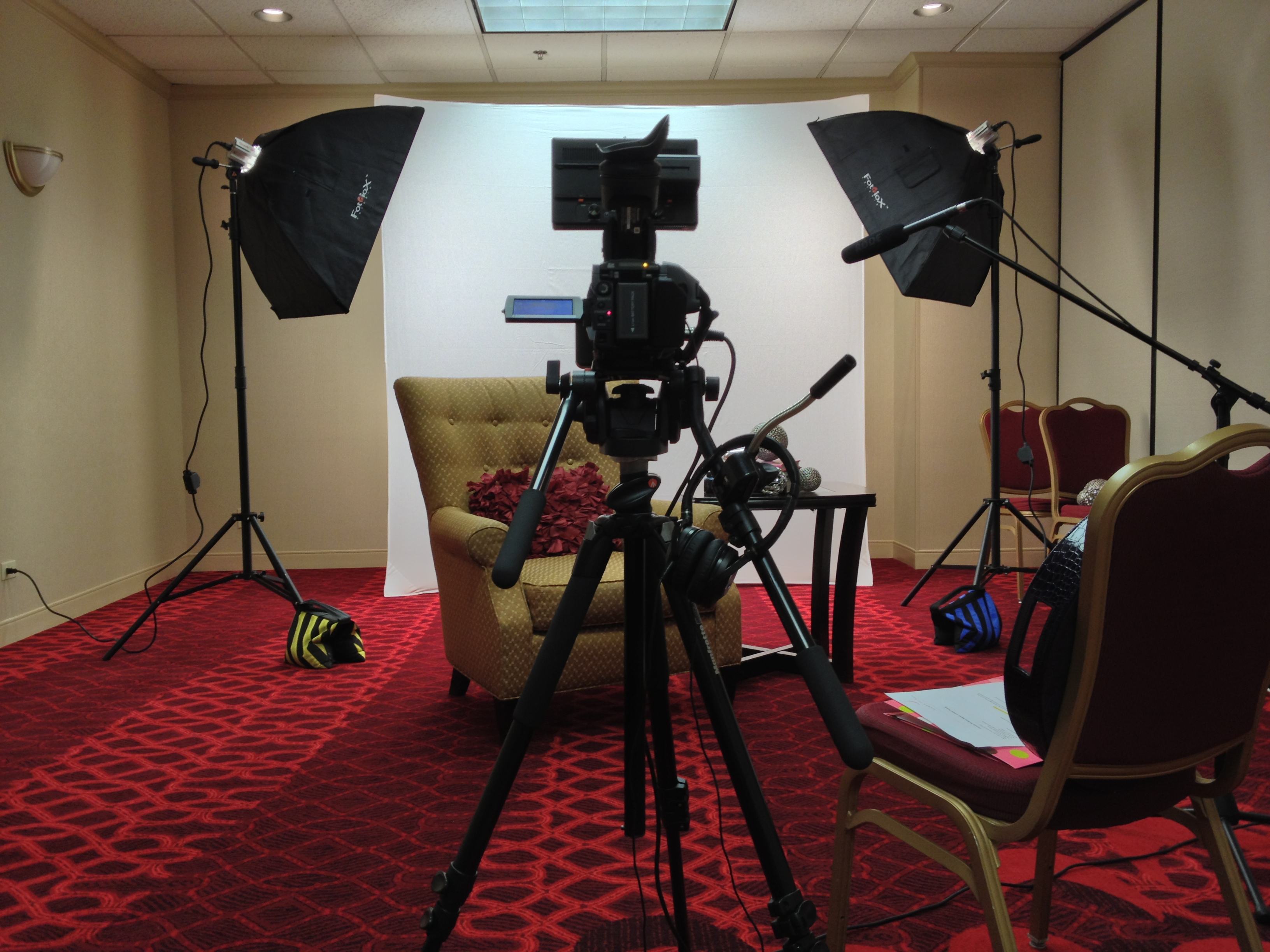
]]>A single camera and white backdrop were requested. Below is a screen grab of our this very simple setup.
The post Video Interviews appeared first on Buller Media.
]]>The post Summer Dance Performance appeared first on Buller Media.
]]>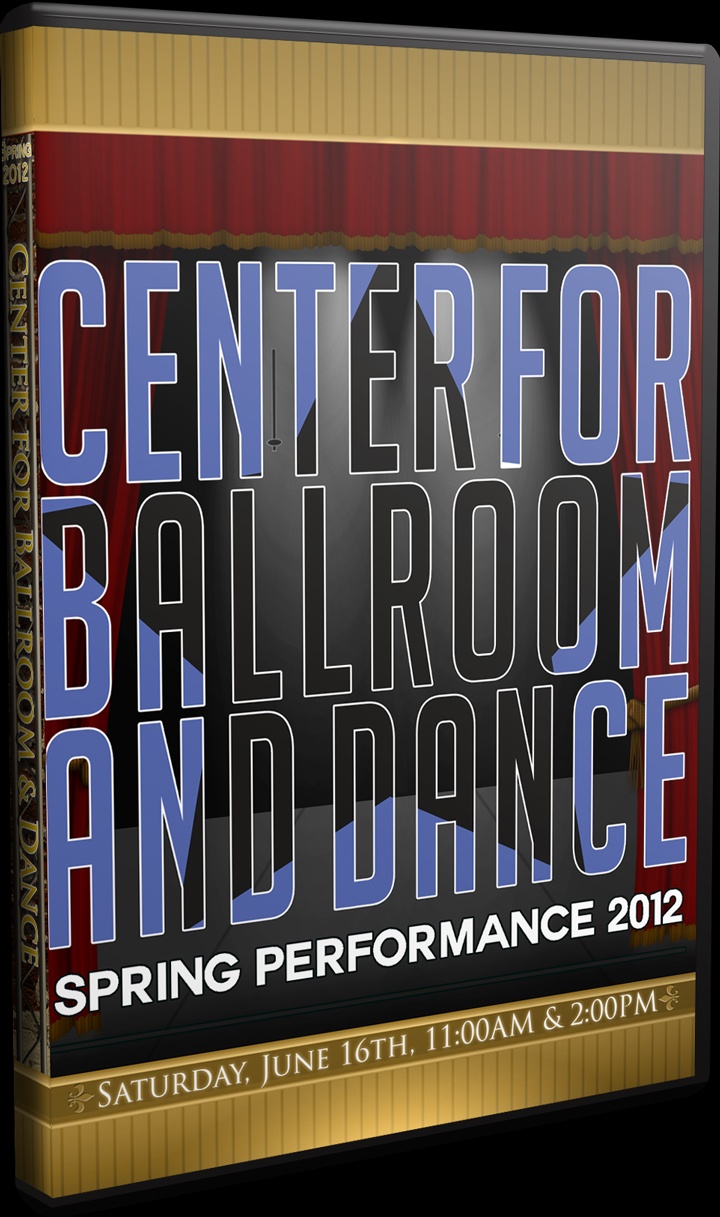
Summer dance recital video created for Center for Ballroom and Dance.
The post Summer Dance Performance appeared first on Buller Media.
]]>The post International Telecoms Week – Trade Show Coverage appeared first on Buller Media.
]]>Pleasure to have been able to provide these excellent video recordings.
Below is a 1920 x 1080p screen grab from our B CAM.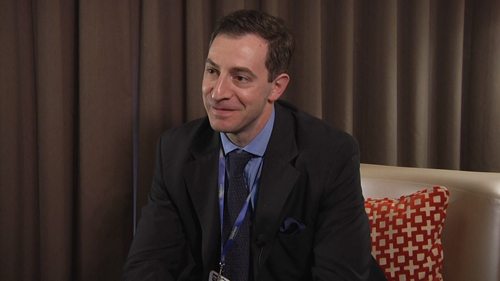
The post International Telecoms Week – Trade Show Coverage appeared first on Buller Media.
]]>